Beyond One Check: How Multi-Modal Authentication is Redefining Candidate Verification
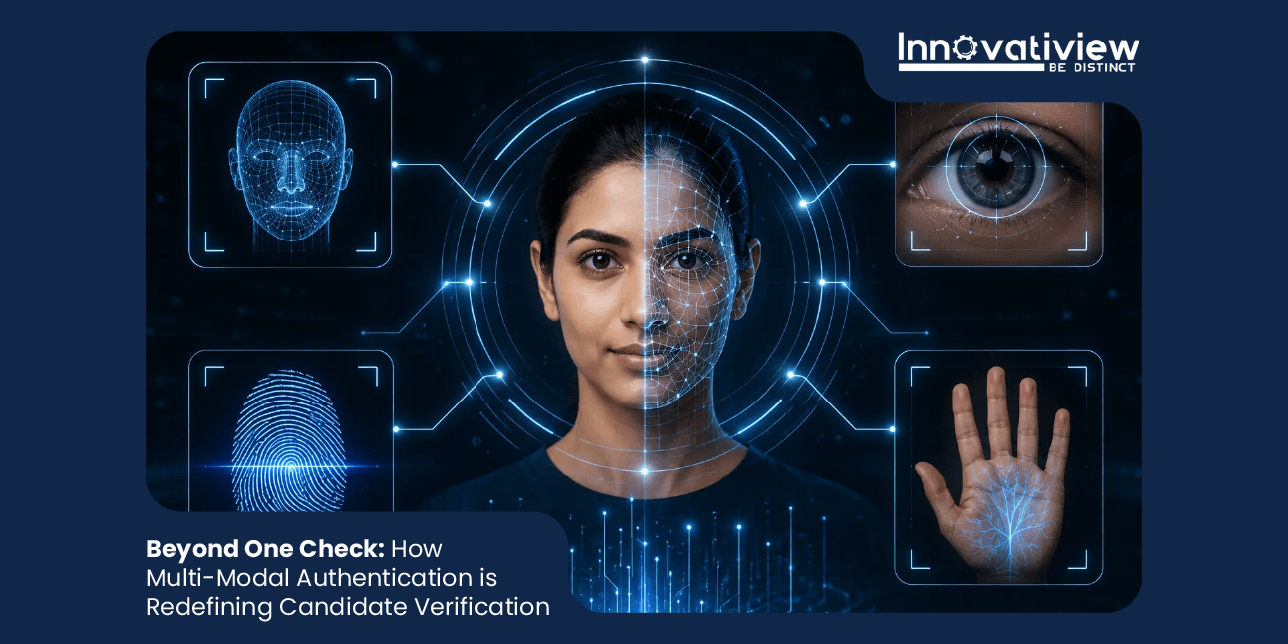
As examinations continue to move towards digital, technology-driven processes, ensuring that the right candidate appears at the right examination centre has become more critical than ever. While traditional identity checks and single-factor biometric systems have helped strengthen verification, they are no longer sufficient to combat increasingly sophisticated impersonation attempts.
The future of candidate verification lies in multi-modal biometrics – a layered approach that combines multiple biometric identifiers to deliver greater accuracy, security and trust.
Unlike single-biometric systems that rely on one identifier, multi-modal authentication verifies a candidate using two or more unique biological characteristics. By combining technologies such as facial recognition, fingerprint scanning, iris recognition and palm vein authentication, examination authorities can significantly reduce the possibility of identity fraud while improving the overall verification experience.
Why Single Biometrics Are No Longer Enough
Every biometric modality has its strengths, but each also has limitations. When verification depends on just one identifier, these limitations can impact accuracy or require manual intervention, increasing operational complexity.
A multi-modal approach addresses the common challenges by allowing multiple biometric factors to work together. If one identifier cannot be authenticated with sufficient confidence, another biometric can seamlessly validate the candidate’s identity, ensuring both reliability and continuity.
Higher Accuracy, Lower Risk
The greatest advantage of multi-modal biometrics is its ability to drastically reduce impersonation and false matches.
Since every biometric trait is independently verified, the probability of an unauthorised individual successfully bypassing the verification process becomes extremely low. This layered authentication creates stronger confidence in candidate identity while maintaining fairness throughout the examination process.
For high-stakes recruitment examinations, university entrance tests and professional certification exams involving lakhs of candidates, this level of assurance is becoming indispensable.
Built for Scale
Modern examination ecosystems demand technologies that can verify thousands of candidates quickly without compromising security.
Today’s biometric systems leverage AI-powered matching algorithms and optimised verification workflows to authenticate candidates within seconds, enabling smooth entry even during peak reporting hours. This reduces queues, minimises manual verification and enhances the overall candidate experience.
Strengthening Trust Through Advanced Technologies
Among the latest advancements, palm vein authentication is emerging as one of the most secure biometric technologies available. Instead of analysing external physical features, it verifies the unique vein patterns beneath the skin, making duplication or forgery extremely difficult.
When combined with facial recognition, fingerprint or iris verification, it creates a highly resilient identity authentication framework that delivers both security and accuracy.
The Road Ahead
As examination fraud becomes increasingly sophisticated, identity verification must evolve at the same pace. The objective is no longer just to confirm who a candidate claims to be, it is to verify and establish that identity with the highest possible level of confidence.